
Georgia Fall 2026 Weather Outlook Temperature Rain and Travel Tips
Fall in Georgia rarely arrives all at once. September can still feel like summer in Atlanta, Macon, Savannah, and Columbus, while the North Georgia mountains may start showing cooler mornings and early color. By November, the state can swing from sunny 70-degree afternoons to chilly nights, soaking rain, and the first frost in inland areas.
For fall 2026, the safest outlook is a practical one: expect a warm start, a gradual cooldown, uneven rainfall, and a few weather systems that could disrupt plans. Long-range outlooks can point to broad trends, but they cannot name exact storm dates months ahead with reliable skill. The best way to prepare is to understand Georgia’s usual fall pattern, then watch shorter-range forecasts as the season gets closer.

Fall 2026 will likely start warm and cool down in stages
Georgia’s fall weather often splits into three different seasons packed into three months.
September usually behaves like late summer. High humidity can linger, especially in central and south Georgia. Afternoon highs often remain warm, and heat can still affect outdoor work, school sports, festivals, and travel days with lots of walking. Coastal areas can feel muggy even when inland areas start to improve.
October brings the most noticeable change. Cold fronts become more frequent, and the air often feels drier between rain systems. North Georgia tends to see cooler mornings first, while the Coastal Plain stays milder. This is usually one of the best months for hiking, camping, football weekends, fairs, and road trips.
November can feel unsettled. Warm spells still happen, but stronger fronts may bring chilly nights, gusty winds, and periods of rain. The first frost becomes more likely in the mountains and inland north Georgia. South Georgia and the coast often stay frost-free longer.
A reasonable fall 2026 expectation is for temperatures to lean warmer than the long-term average at times, especially early in the season. That does not mean every day will be hot. It means warm stretches may outnumber cool ones, and true fall weather may arrive in waves rather than settle in early.
Time frame | Likely temperature pattern | What it means in daily life |
Early September | Summerlike warmth may linger | Plan for heat during festivals, sports, yard work, and travel stops |
Late September to October | Cooler mornings arrive more often | Better hiking and camping weather, especially in North Georgia |
Late October to November | Bigger swings between warm and chilly | Pack layers and watch for frost inland |
Late November | Stronger cold fronts become possible | Holiday travel may face rain, wind, or colder mornings |
One key detail for Georgia fall weather is the day-to-night swing. A sunny October afternoon can feel mild, then drop quickly after sunset. That matters for campers, tailgaters, evening concerts, and anyone driving into higher elevations.
In the mountains, cooler air can settle into valleys at night. In metro Atlanta, pavement and buildings can hold warmth longer. Near the coast, ocean influence keeps nights milder, but it can also keep humidity around.
Rainfall may be uneven, with dry spells broken by heavy systems
Fall is not Georgia’s wettest season in most years, but it can still bring meaningful rain. The main story is often uneven precipitation. One county may get several rounds of soaking rain, while another sits dry for weeks.
For fall 2026, expect precipitation levels to vary by region and month. A normal fall pattern would include quiet stretches between fronts, then quick bursts of rain when stronger systems move through. South and coastal Georgia may also face rain from tropical moisture if any late-season tropical systems approach the Southeast.
September carries the highest tropical-weather concern. October can still bring tropical remnants, although the risk slowly decreases as the month goes on. November rain more often comes from cold fronts and larger storm systems crossing the region.
The most disruptive fall rain in Georgia often comes less from steady showers and more from short periods of heavy rain, tropical remnants, or slow-moving fronts.
Rainfall can bring benefits and problems at the same time. After a dry late summer, fall rain can help lawns, pastures, cover crops, and reservoirs. Too much rain at the wrong time can delay harvest, muddy fields, flood low spots, and make mountain roads slick during leaf season.
Watch for these rainfall patterns during fall 2026:
Long dry stretches
These can increase wildfire risk, stress lawns and pastures, and create dusty conditions on unpaved roads.
Heavy rain from tropical remnants
These systems can spread inland well after landfall, bringing flooding rain and gusty wind far from the coast.
Cold-front rain bands
These can move quickly but still cause delays, ponding on roads, and rough travel windows.
Localized thunderstorms
Early fall warmth and humidity can still support strong storms, especially before a front passes.
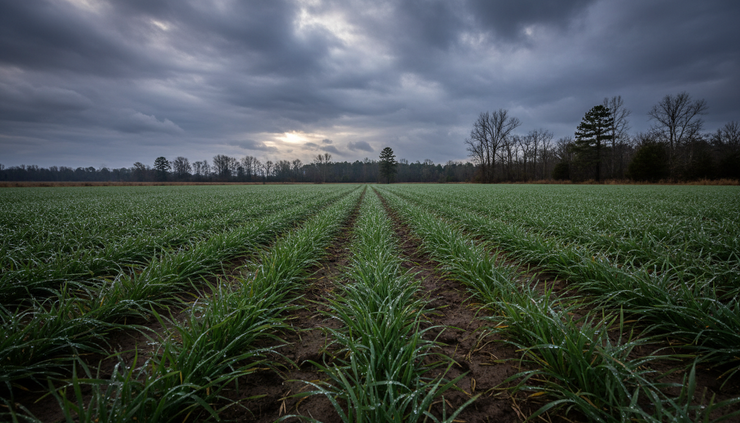
Significant weather events to watch in fall 2026
No reliable forecast can pinpoint specific Georgia storms for the full fall 2026 season this far in advance without updated official guidance. Still, several event types deserve close attention because they regularly shape fall weather in the state.
Tropical systems and coastal impacts
Georgia does not need a direct hurricane landfall to feel tropical impacts. A storm moving through the Gulf of Mexico, Florida, or the Carolinas can send rain, wind, tornado risk, rip currents, and coastal flooding into the state.
The highest concern period is usually September into early October. Coastal areas near Savannah, Brunswick, the Golden Isles, and barrier islands should stay especially alert during active tropical periods. Inland cities can still see downed trees, power outages, and flooded roads if tropical rain moves north and west.
For travelers, the main issue is timing. A beach trip can go from calm to hazardous quickly when tropical moisture, high surf, or evacuation guidance enters the forecast. Build flexibility into coastal plans during peak hurricane season.
Strong cold fronts and severe thunderstorms
As fall progresses, stronger cold fronts push into Georgia. These fronts can bring gusty winds, sharp temperature drops, thunderstorms, and brief heavy rain.
Severe weather in Georgia often gets more attention in spring, but fall can still produce damaging winds and isolated tornadoes. The risk rises when warm, humid air returns ahead of a strong front. That setup can happen in October or November.
Residents should make sure weather alerts can wake them at night. Some fall storms arrive after dark, when people are less likely to see warning signs.
Drought and wildfire risk during dry periods
If fall 2026 brings long dry stretches, parts of Georgia could see increasing drought stress. Dry leaves, low humidity, and windy days can raise wildfire risk, especially in wooded or rural areas.
Even in a generally wet season, two or three dry weeks can change ground conditions. Campers and homeowners should follow local burn rules and avoid outdoor burning on windy days.
Frost and early freezes
Frost is most likely first in the North Georgia mountains and sheltered inland valleys. Many parts of central Georgia see frost later, while the southeast coast usually stays milder deeper into fall.
Gardeners should watch forecasts closely after mid-October in north Georgia and in November farther south. A single cold night can damage tender vegetables, container plants, and late-season flowers.
Outdoor activities should stay flexible and weather-aware
Fall may be Georgia’s best season for outdoor plans, but it rewards flexibility. The same week can bring heat, rain, crisp mornings, and breezy evenings.
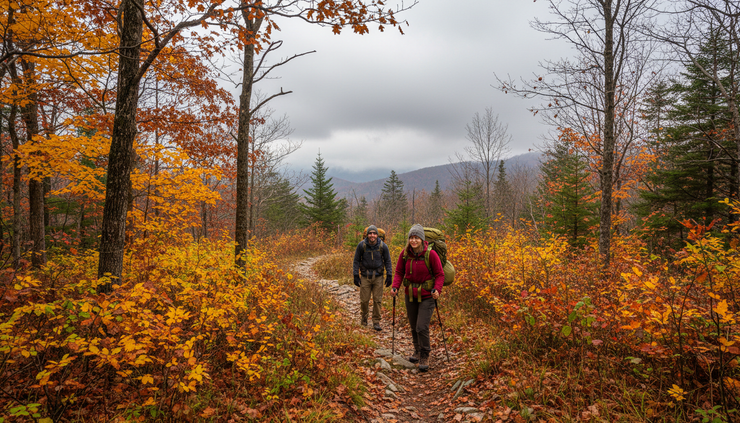
For hiking and leaf viewing, North Georgia usually offers the biggest seasonal shift. Cooler air makes long hikes more comfortable, but trail conditions can change after heavy rain. Wet leaves and clay soil can turn slippery fast, especially on shaded slopes.
For football games, festivals, and outdoor concerts, the biggest early-fall issue is heat. Even in October, sun exposure can matter during afternoon events. Later in the season, the challenge becomes layers. A stadium seat can feel warm at kickoff and cold by the fourth quarter.
For hunting, fishing, and camping, pay close attention to fronts. Wildlife movement, lake conditions, and overnight comfort can change quickly around temperature swings.
Simple preparation goes a long way:
Bring water even when the forecast looks mild.
Pack a light rain jacket for day trips.
Use sunscreen in September and October, especially at midday.
Check trail and park updates after heavy rain.
Carry a warm layer for mountain mornings and evenings.
Avoid crossing flooded roads or swollen creeks.
The best outdoor window often comes 12 to 36 hours after a fall front passes. Skies clear, humidity drops, and visibility improves. That can make for excellent hiking, photography, and scenic drives.
Agriculture may face both helpful rain and costly timing problems
Georgia agriculture depends heavily on timing, and fall weather can help or hinder that timing. Cotton, peanuts, pecans, soybeans, vegetables, hay, pasture, and orchards can all feel the effects of temperature swings and rainfall patterns.
A warm early fall can help some late-season growth, but it can also extend pest pressure and increase irrigation needs if rain stays scarce. Dry weather can help harvest move along, but too much dryness stresses pastures and cover crop establishment.
Heavy rain during harvest windows can cause delays. Wet fields can limit equipment access. Wind from tropical systems can damage pecan trees, knock crops down, or complicate picking schedules. If tropical moisture overlaps with harvest, impacts can spread well inland.
Farmers, gardeners, and property owners can prepare by focusing on flexibility:
Monitor local soil moisture, not just regional rainfall maps.
Keep drainage ditches and field edges clear before heavy rain.
Plan harvest and equipment work around short dry windows.
Protect tender garden plants before the first frost risk.
Follow local extension guidance for crop-specific decisions.
Secure light farm materials before tropical remnants or strong fronts arrive.
Small-scale growers should also think about water management. Raised beds, mulch, and drip irrigation can help during dry spells, while good drainage matters during heavy rain. Fall 2026 may ask for both approaches in the same season.
Travel plans should account for mountains, coast, and city traffic
Georgia travel in fall can be beautiful, busy, and weather-sensitive. The state’s geography creates different planning needs depending on the route.
Mountain trips may face fog, wet leaves, crowded roads during peak color, and chilly nights. Roads around popular towns and trailheads can slow down on clear weekends. Rain can make steep secondary roads more difficult, especially where leaves cover the pavement.
Coastal travel requires hurricane-season awareness through September and sometimes into October. Even distant storms can affect beach conditions. Rip currents, high surf, tidal flooding, and bridge wind advisories can alter plans before skies look threatening.
Metro travel around Atlanta, Augusta, Macon, Columbus, and Savannah can slow during heavy rain. Fall events, school schedules, and football traffic may add delays. A storm line moving through during rush hour can turn a normal drive into a much longer trip.
Travel tips for fall 2026:
Check the forecast for both departure and return days.
Look at conditions along the whole route, not only the destination.
Keep a phone charger, water, snacks, and a jacket in the vehicle.
Avoid driving through standing water.
Book flexible lodging during tropical-weather windows.
For mountain trips, arrive before dark when rain or fog is possible.
For coastal trips, follow local emergency management guidance.
If flying through Hartsfield-Jackson Atlanta International Airport, remember that weather elsewhere can affect schedules too. A clear day in Atlanta does not always prevent delays if storms disrupt connecting routes.

How to prepare for Georgia fall 2026
A good fall weather plan does not need to be complicated. It should cover heat, rain, storms, and cold snaps.
Start with layered clothing. September may call for summer clothes in the afternoon, while November mornings may need a fleece or jacket. For outdoor plans, choose quick-drying fabrics and bring rain gear that fits in a day bag.
Set up reliable weather alerts. Use Wireless Emergency Alerts on your phone and consider a weather radio, especially in rural areas or places where storms can knock out power. For local details, check the National Weather Service office that covers your part of Georgia.
Prepare the home before stronger fronts arrive. Clear gutters, trim weak branches where safe and appropriate, secure loose outdoor items, and check flashlights. If tropical weather threatens, bring in patio furniture and review evacuation routes if you live near the coast or in a flood-prone area.
For yards and gardens, plan for both dry spells and frost. Water deeply when dry weather persists. Mulch beds to hold moisture. Keep frost cloths ready for tender plants once nighttime lows start dropping.
For trips, use a three-day check and a same-day check. Three days out, look for the big pattern, such as a front, tropical rain, or cold snap. On the day of travel, check radar, road conditions, and any local alerts.
The Georgia Fall 2026 Weather Outlook Temperature Rain and Travel Tips can be summed up this way: prepare for variety. Warmth may linger, rain may arrive in uneven bursts, and the season’s most disruptive weather will likely come from tropical remnants, strong fronts, and sharp temperature changes.
Fall in Georgia is still one of the best times to be outside, visit farms and festivals, tour the mountains, or spend time on the coast. The smartest plan is flexible, layered, and alert to changing forecasts. Check official updates often, build a backup plan for outdoor events, and treat flooded roads, severe storm warnings, and coastal hazards seriously. With that approach, fall 2026 can be both safer and easier to enjoy.


Comments